 Easter island is the most remote inhabited island in the world. The native people call it Rapa Nui, they call their language Rapa Nui and they call themselves Rapa Nui. Easter was the name given it by some white guy because he ‘discovered’ it on Easter Day.
Given that it is only just over 60 square miles, I wouldn’t expect it to have an airport big enough to accommodate our jet. But a decade back the USA installed a huge runway there for the space shuttle, in case it ever accidentally came in over that area of the Pacific where there is nothing else but water for over a thousand miles.
My first introduction to this island of mystery was in a cheeseball book (and film) of the 70s called ‘Chariots of the Gods’ that suggested the massive stone heads the island is famous for are evidence that aliens have visited earth. 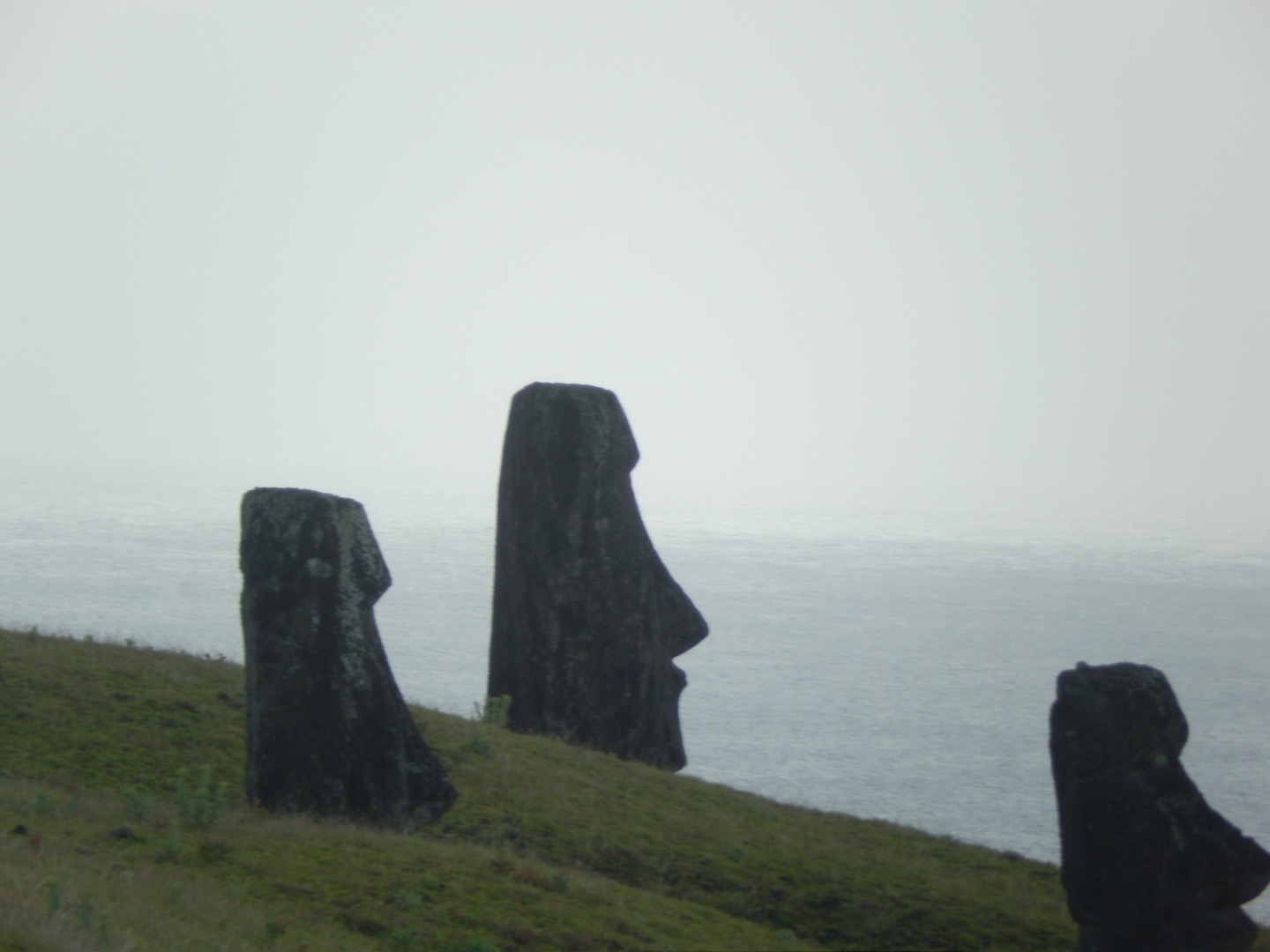
It was a bestseller.
I am thrilled to arrive, but the flight was long and my bug bites are itchy and inflamed we go straight to our room and call the trip doctor for some Benadryl and steroids.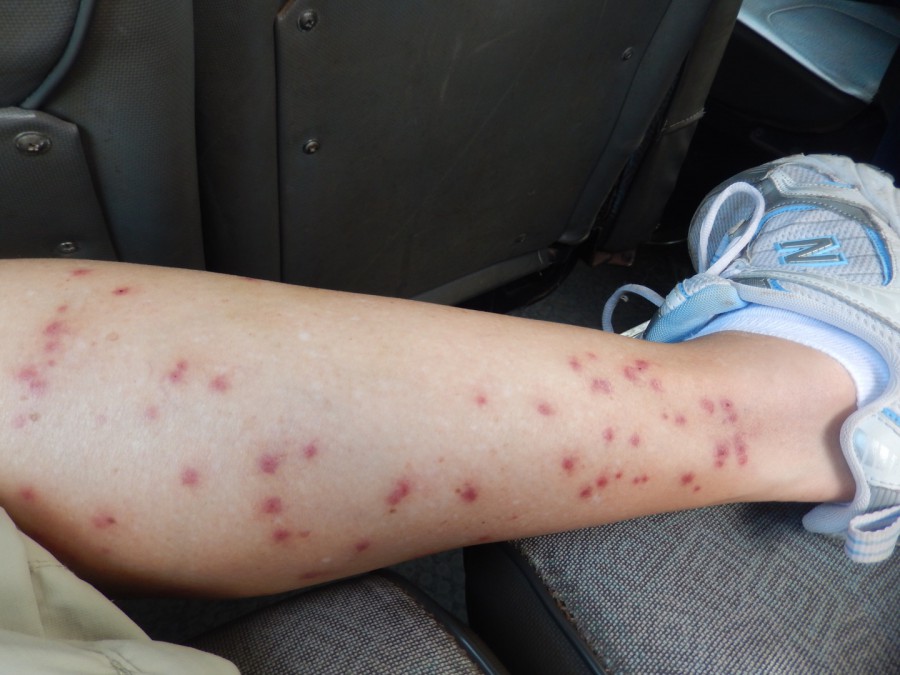
In Rapa Nui the weather is wildly unpredictable. In a mater of minutes it will go from toasty hot, to hurricane windy, followed by a torrential downpour. By the time you locate, unfold, and snap up your yellow plastic rain poncho, it’s toasty again.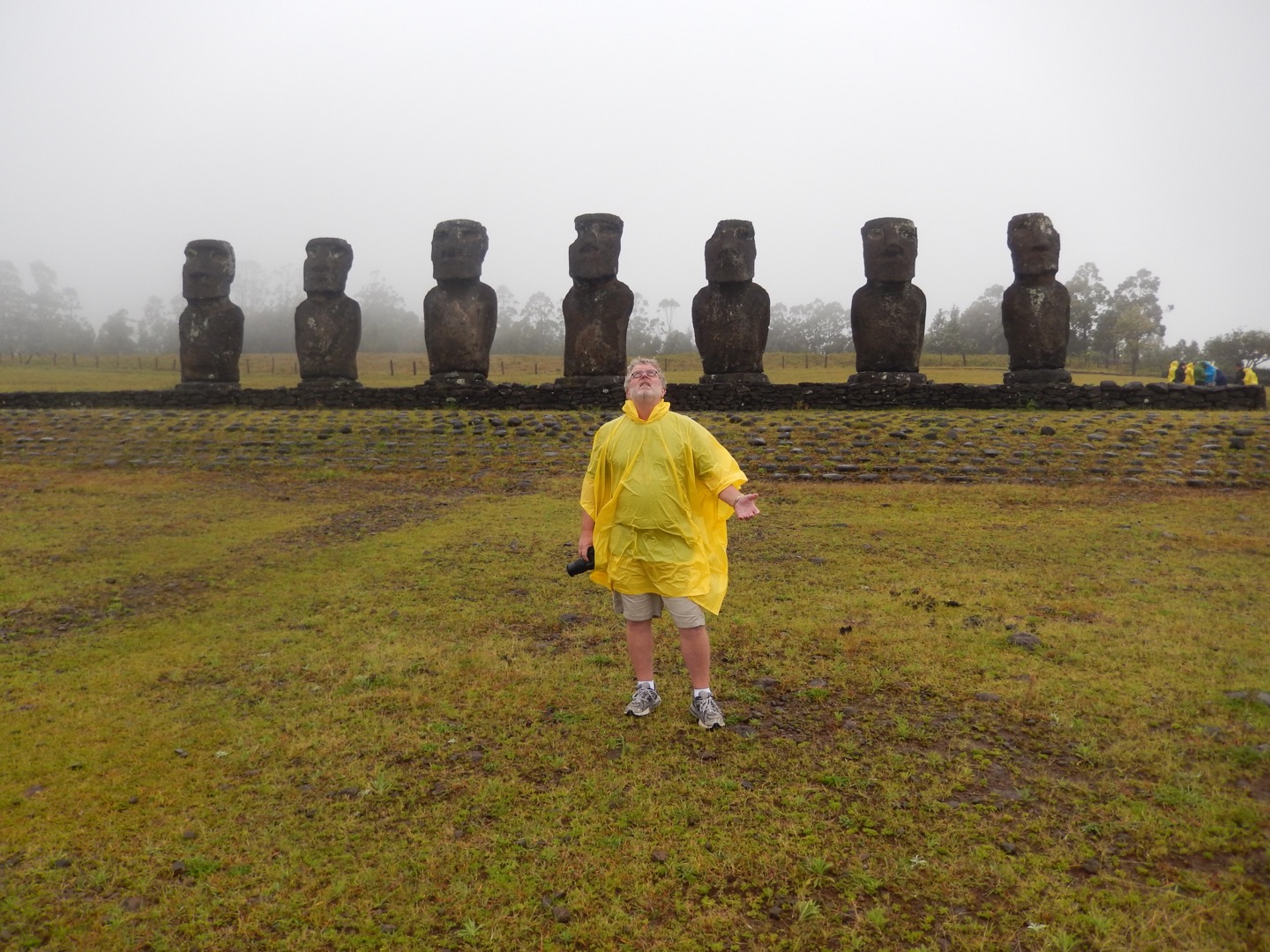
The food is also not good…at all. The bread is dense and tasteless, the ‘sweet potatoes’ green and unpleasant. But the people are warm and the hotel was nice. You very much feel the influence of Chile, the closest country.
But it’s ridiculously far from anything, so the only reason anyone travels here is to see the Moai.
They do not disappoint. Huge, fierce, and majestic, they loom over the island like the deified protector Chiefs they represent.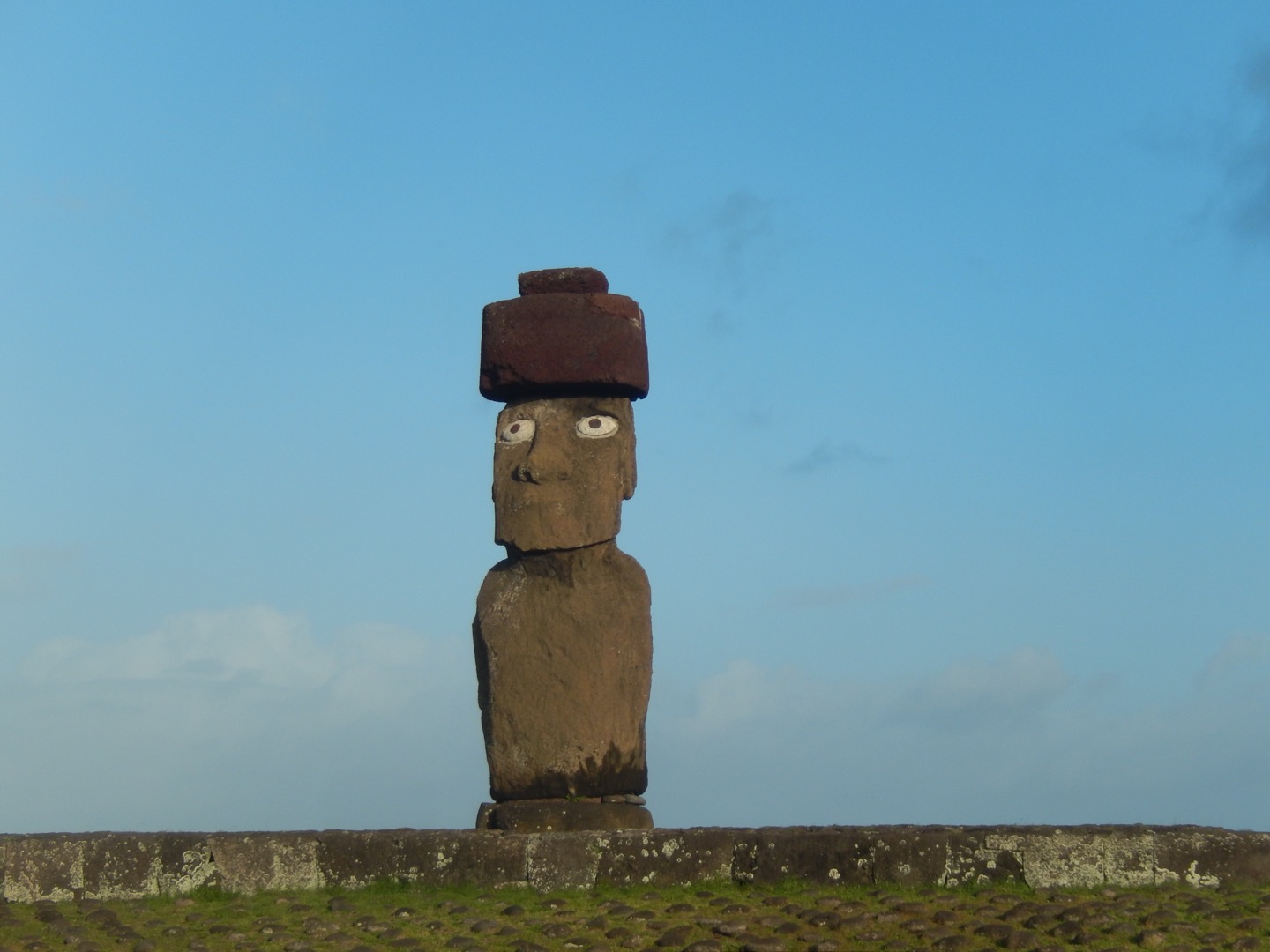
But first we visited Orongo, the ceremonial center of the bird man cult. This is a crazy story. At some point around the 16th century (dates here are pretty vague) there arose an annual competition for who would be chief of the island (6000 people live there now, but in those days it was more like 600. Each candidate would choose a champion who would live in these weird round coastal dwellings with an entrance so small they had to crawl in. When the sacred bird showed up, they had to swim to the bird island and fetch an egg the bird laid and bring it back.
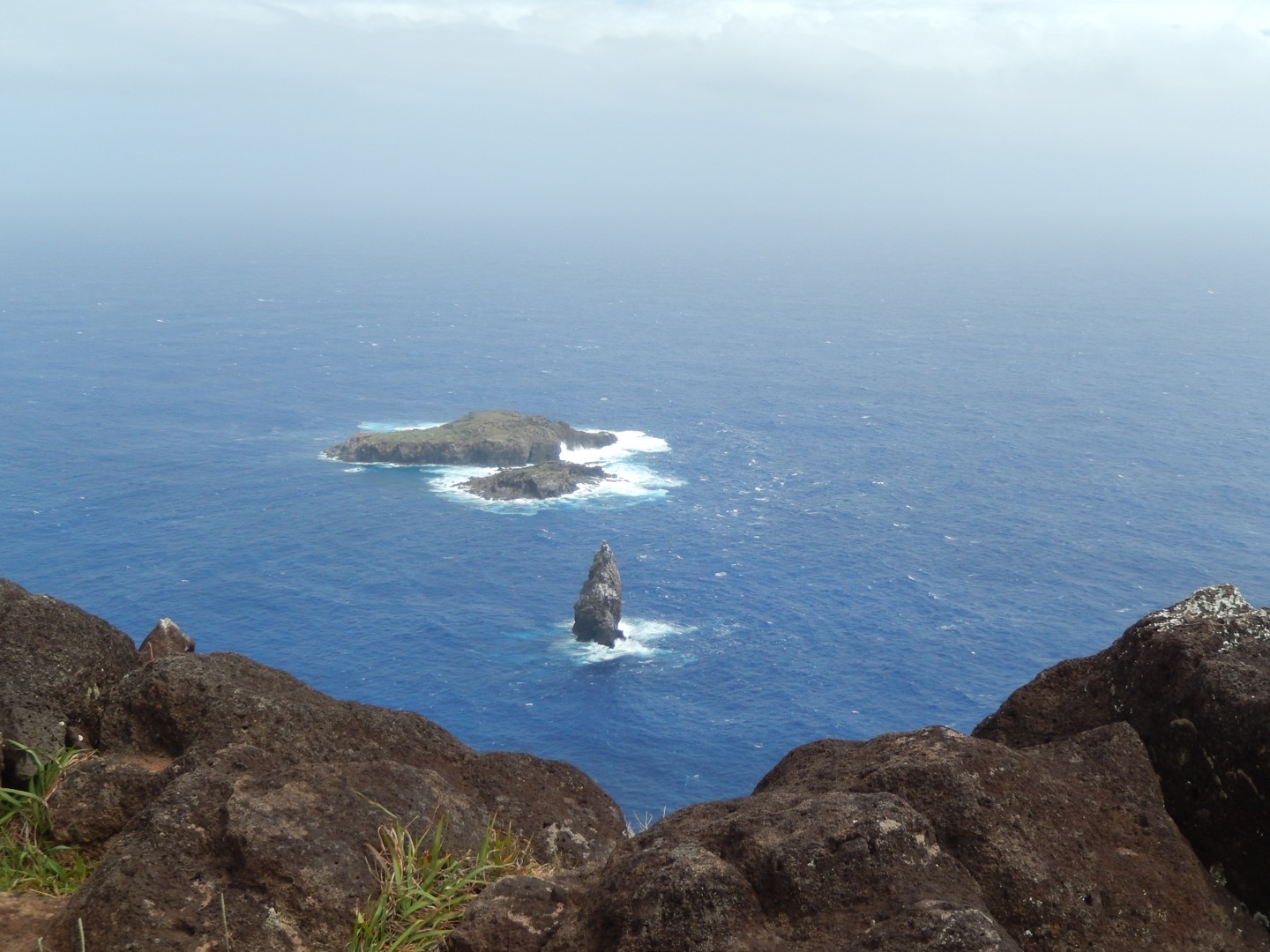
The candidate whose champion brought back the first egg became the birdman, or chief…until the next year when they did the whole thing again. Until the missionaries showed up and shut that pagan shit down.
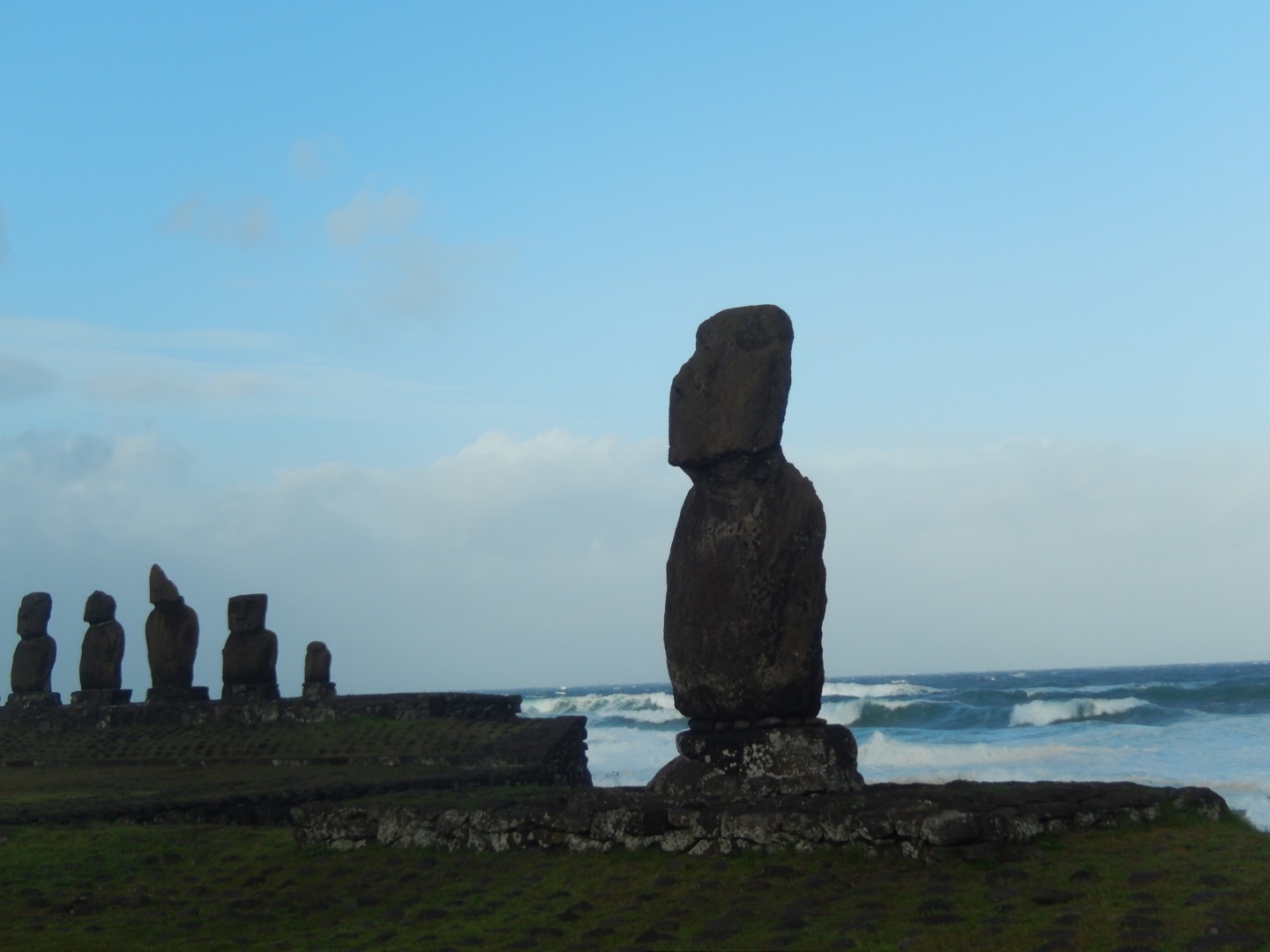
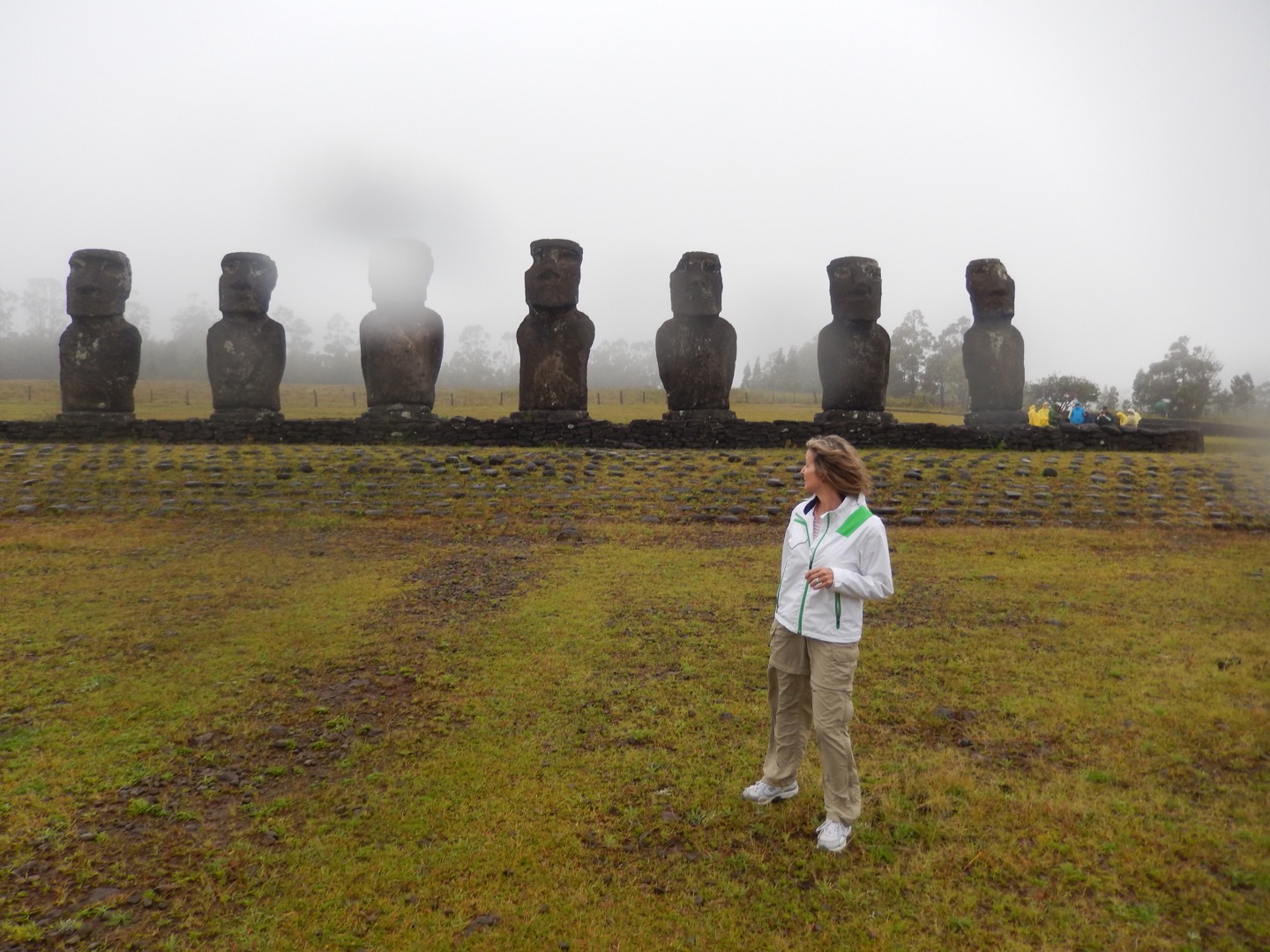
Then we go to Ahu Akivi to see the seven Moai. Among our guides are the three people who worked (with a crew of 40 locals) for 4 years to restore these tremendous edifices after they were toppled by the tsunami following the massive 1960 earthquake in Chile.

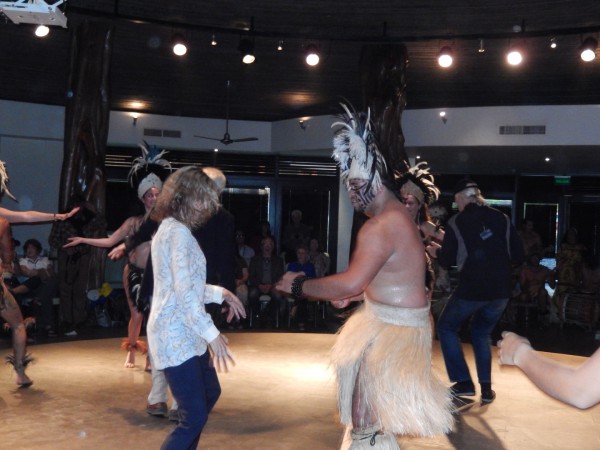
That evening we gather in a round house auditorium and listen to the 3 anthropologists as they discuss the struggles and triumphs of this restoration. This is followed by some fabulous local music and traditional dance. 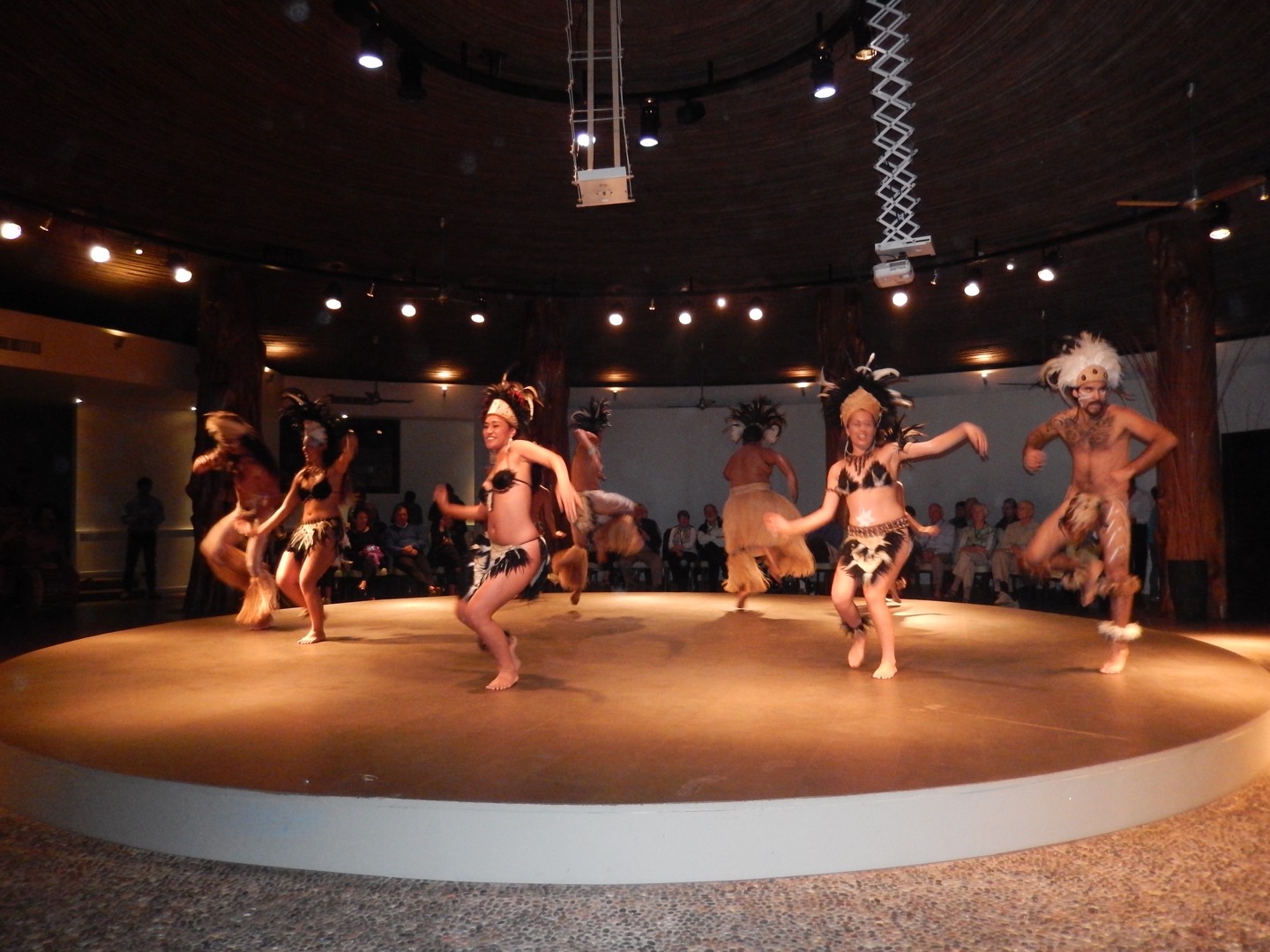
At the end of which we are both pulled onstage to participate.

I get the big guy, and you know how I love a big guy who can move.
The next day we visit two additional Moai sites, Ahu Tahai, which is overrun with good looking dogs and beautiful horses.
The on to Rano quarry, where all those ‘heads’ are – which by the way they have found through excavation are 20-40 foot complete statues that were in the process of being dragged through the chute the Rapa Nui people used to transport them when they were abandoned and buried by time and wind with sediment. So apparently NOT the work of aliens.

Finally we go to visit Ahu Tongariki – the altar of the fifteen Moai. It is huge and astounding and thrilling and creepy. 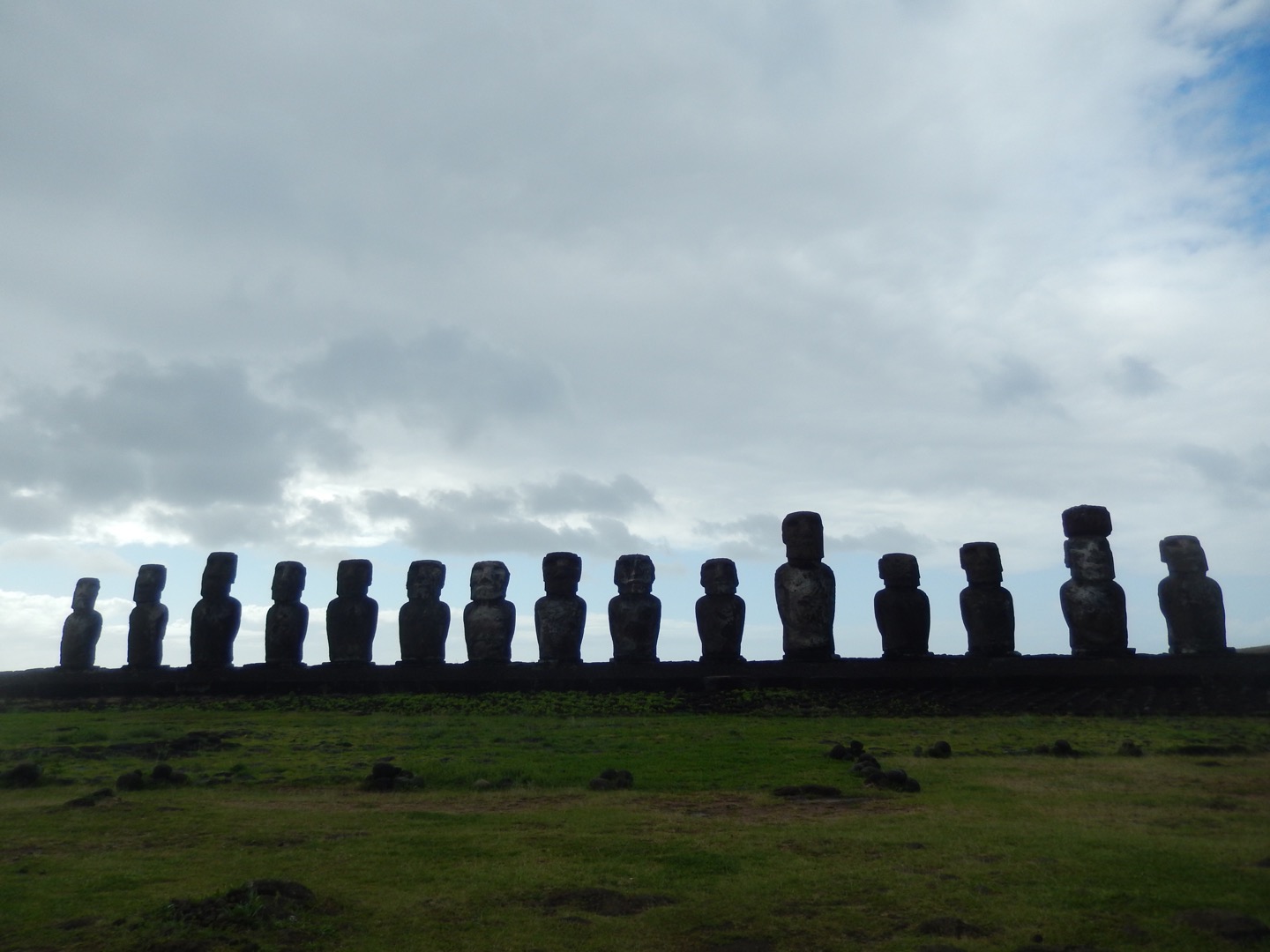
On our flight the NatGeo resident historian gave us a lecture about the island, and I was surprised to learn the earliest ethnographic research of the island (still used today) was done by a woman, a British archaeologist named Katherine Routledge. She later developed paranoid schizophrenia and died in an insane asylum. I find my thoughts drifting to her many times in this wild and eerie place, it would be easy to lose a slippery grip on reality here.
 eileengoesroundtheworlddotcom